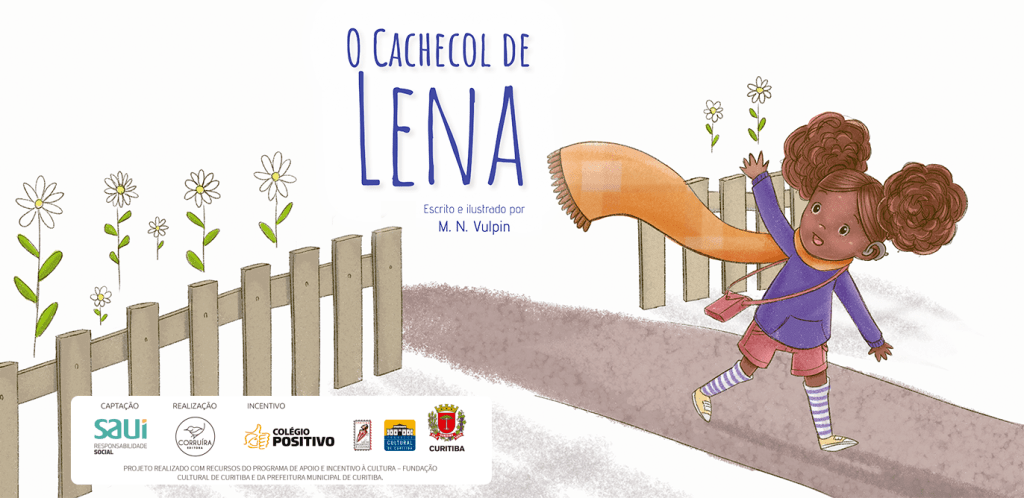
Children’s book project with incentive from Curitiba City Hall’s patronage law. Finished in 2021, copies of the book were donated to local schools and libraries.
Summary: In a basement, Lena found a scarf. Amazed by the discovery, she asks her mother where the scarf came from, and then she decides to rescue a story that has lasted for generations!
BOOK DETAILS:
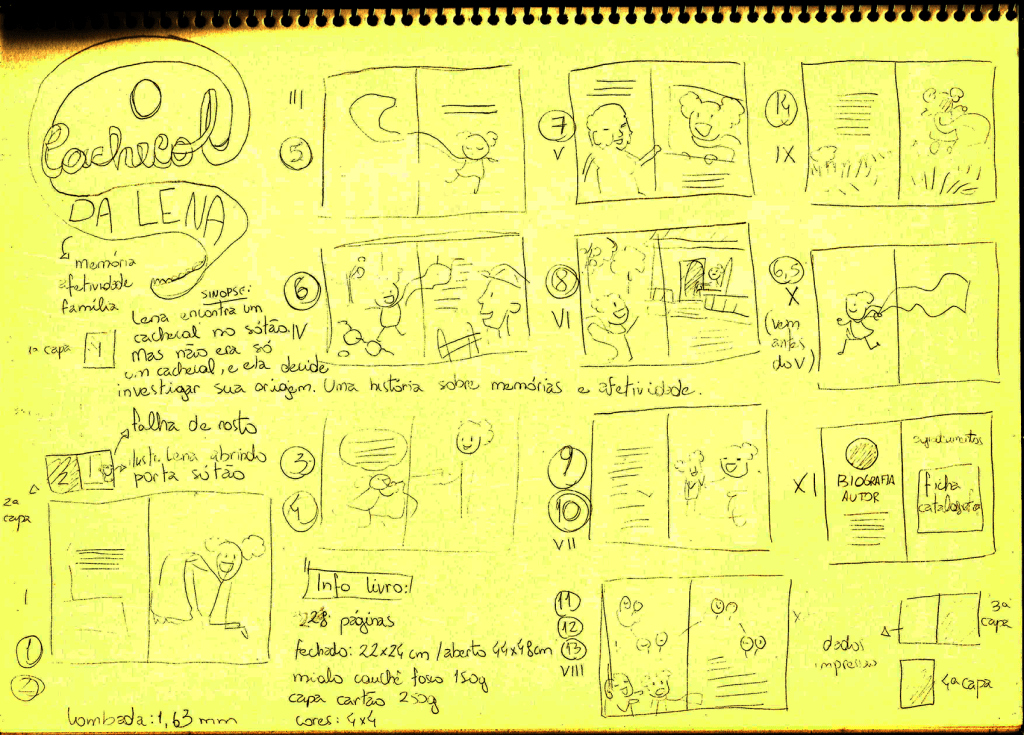
36 pages
19 illustrations
22 cm x 24 cm (folded)
Cardboard cover with UV lamination and flaps
150g matte coated paper
Saddle stitch
4 x 4 colors
1000 units
Age range: 6 to 12 years
Projeto de livro infantil com incentivo da lei de mecenato da Prefeitura de Curitiba. Finalizado em 2021, exemplares do livro foram doados a escolas e bibliotecas locais.
Resumo: Em um porão, a pequena Lena encontra um cachecol. Maravilhada com a descoberta, ela pergunta à mãe de onde veio aquele cachecol, e assim decide resgatar uma história que atravessa gerações!
DETALHES DO LIVRO:
36 páginas
19 ilustrações
22 cm x 24 cm (fechado)
Capa cartão com laminação UV local e orelhas
Miolo couchê fosco 150g
Lombada canoa
Cores 4 x 4
1000 unidades
Faixa etária: 6 a 12 anos
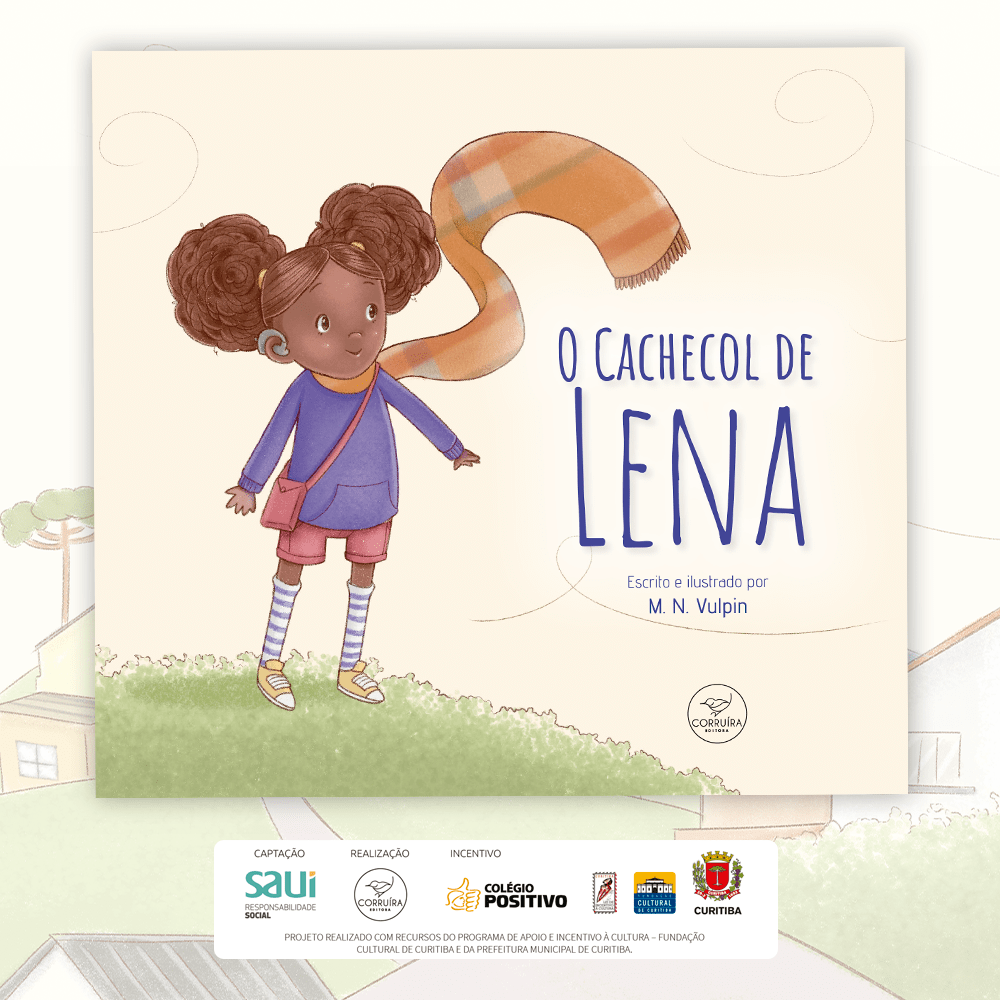
The character | A personagem
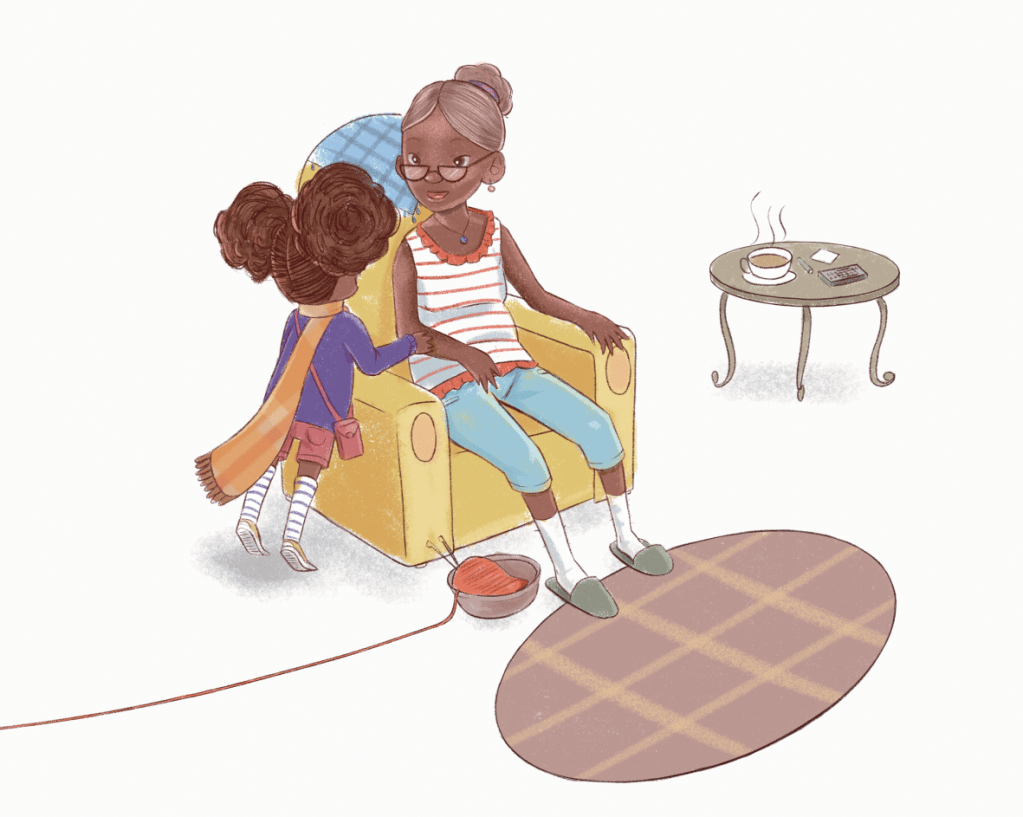
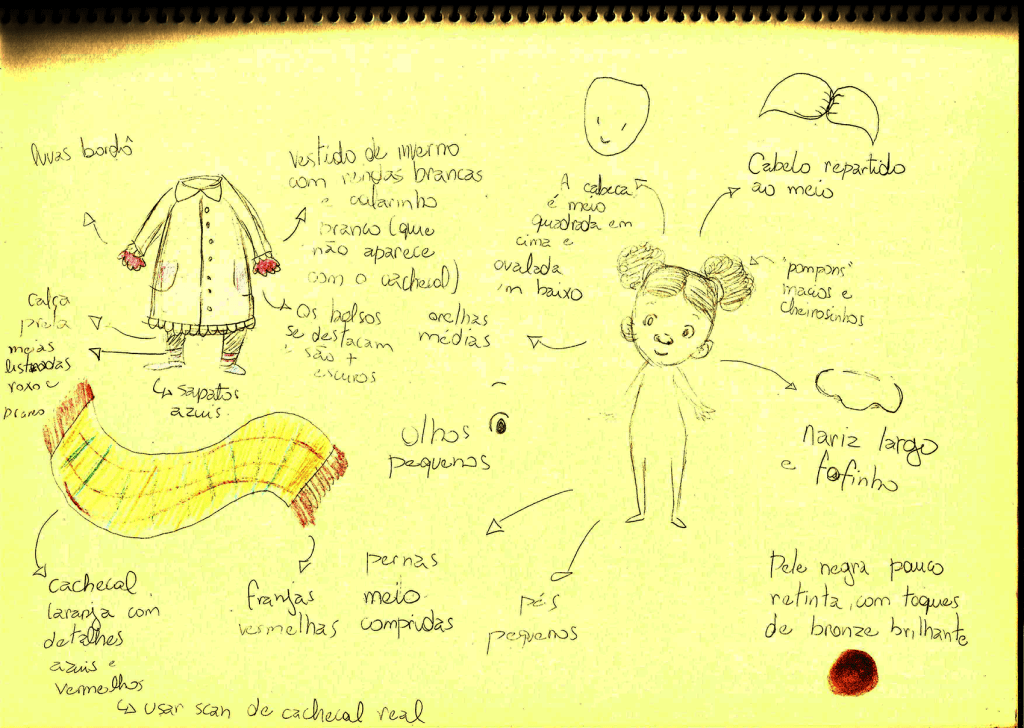
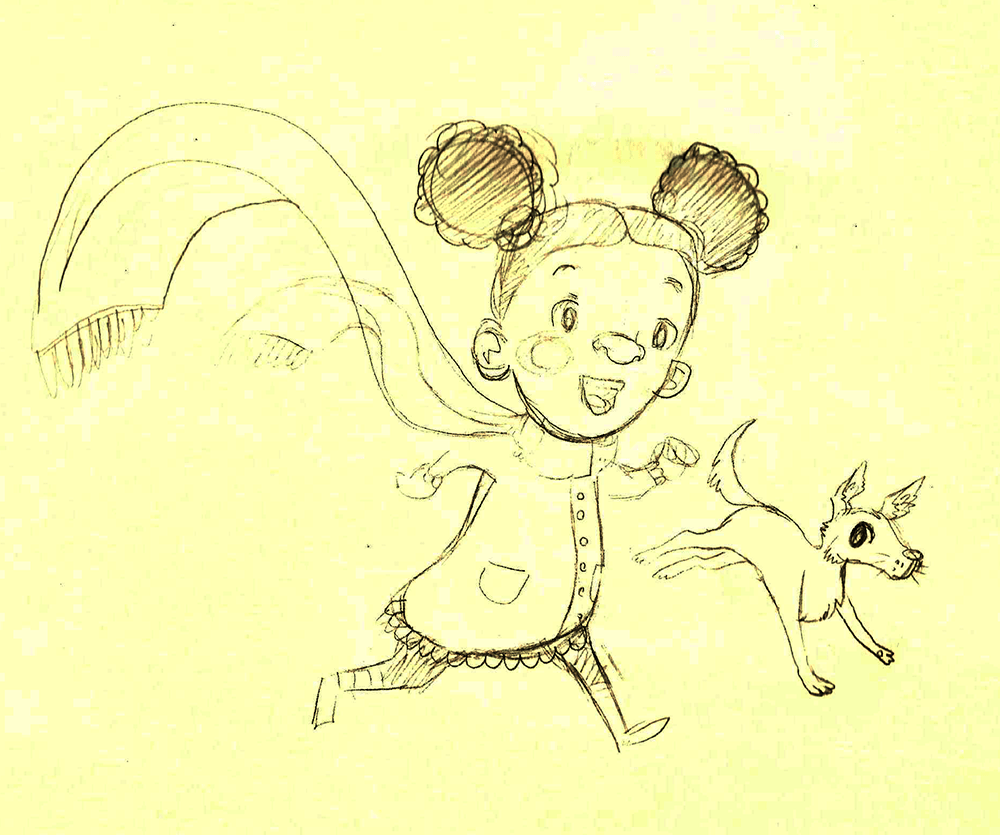
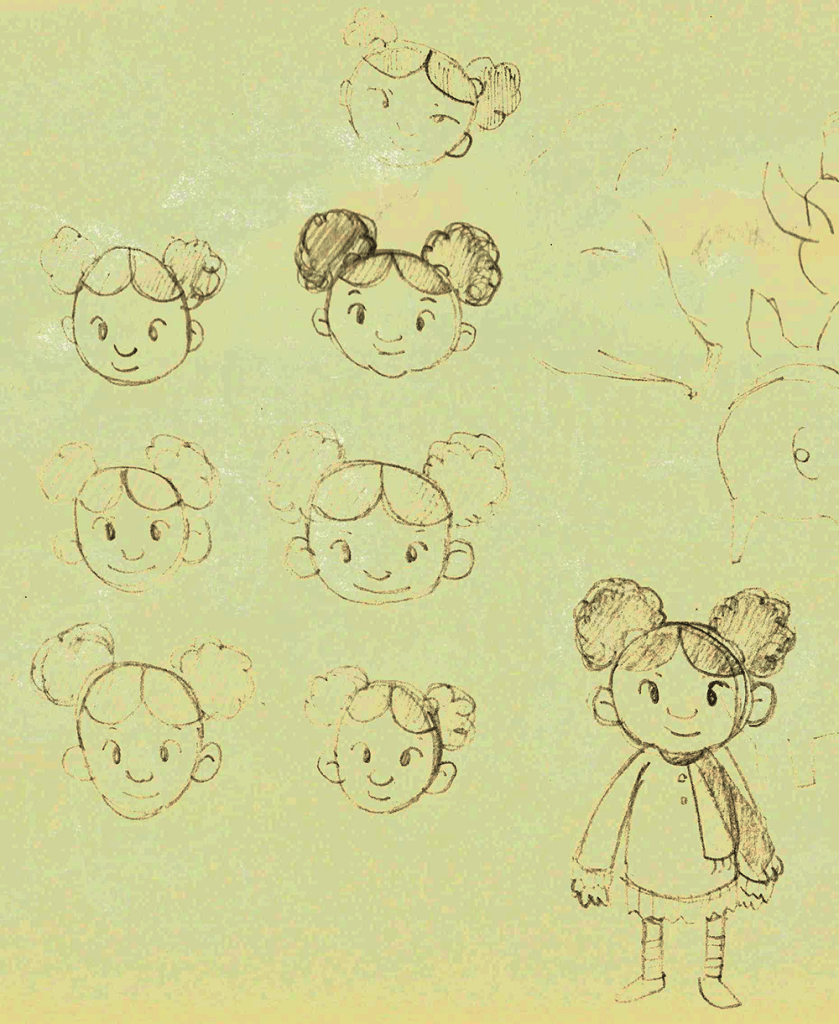
Lena is a black and hearing-impaired girl from the Curitiba suburban area. She was born from a question about the underrepresentation of black and deaf protagonists in children’s books.
In many cases, black characters are used only to teach about racism. My concern about Lena is that she should be a normal child enjoying her childhood instead of being a “moral lesson”. Not only that, but her color and disability are not mentioned anywhere in the story, those are just a detail shown in the illustrations.
Lena é uma menina negra e com deficiência auditiva da periferia de Curitiba. Ela nasceu de um questionamento sobre a sub-representação de protagonistas negros e surdos em livros infantis. Em muitos casos, personagens negros são usados apenas para ensinar sobre racismo. Minha preocupação com Lena é que ela deveria ser uma criança normal aproveitando sua infância em vez de ser uma “lição de moral”. Não só isso, mas sua cor e deficiência não são mencionadas em nenhum lugar da história, são apenas um detalhe mostrado nas ilustrações.
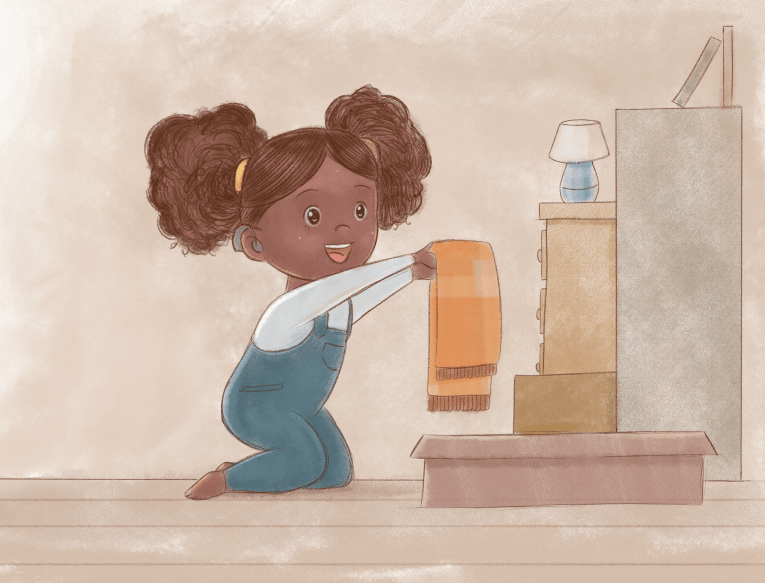
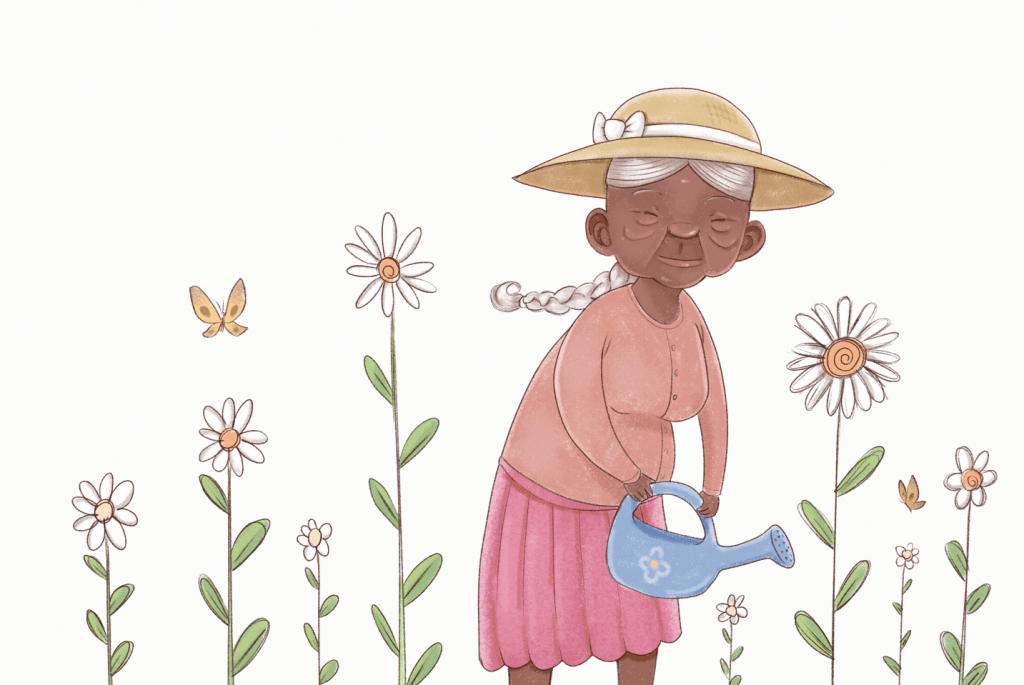
The main challenge in the illustration process was to make a proper representation of a black person. Before this book, I did not know how to paint dark skin – it was an interesting process of trial and error. What helped me a lot was watching makeup tutorials for dark skin on the web, where I realized that there are many concerns about giving a natural tone to the skin.
Below, you can see a comparison of the first illustration made for the book before the media research, versus the redrawn illustration made for the final version of the book. The first version of Lena’s skin was much more muddy and greyish, while the new Lena is more warm and vivid.
O principal desafio no processo de ilustração foi fazer uma representação adequada de uma pessoa negra. Antes deste livro, eu não sabia como pintar pele escura – foi um processo interessante de tentativa e erro. O que me ajudou muito foi assistir tutoriais de maquiagem para pele escura na web, onde percebi que há muitas preocupações sobre dar um tom natural à pele.
Abaixo, você pode conferir uma comparação da primeira ilustração feita para o livro antes da pesquisa visual, versus a ilustração redesenhada feita para a versão final do livro. A primeira versão da pele de Lena tinha um aspecto mais enlameado e acinzentado, enquanto a nova Lena é mais quente e vívida.
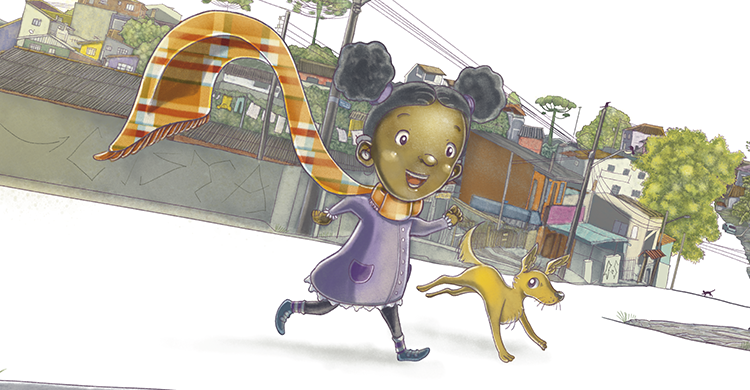
Environment | Ambientação
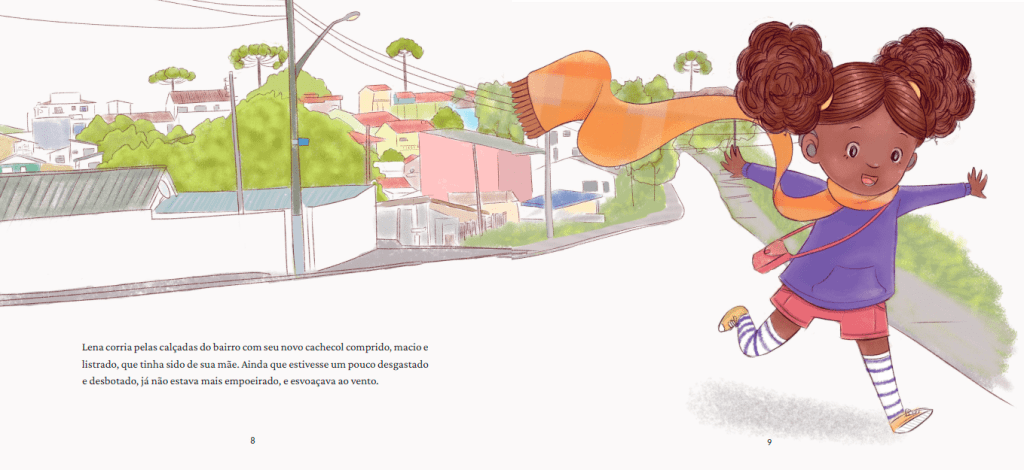
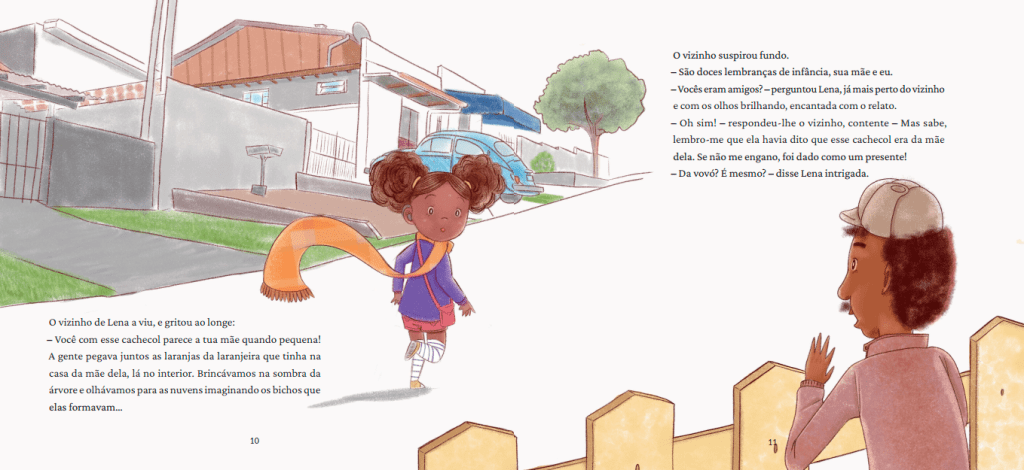
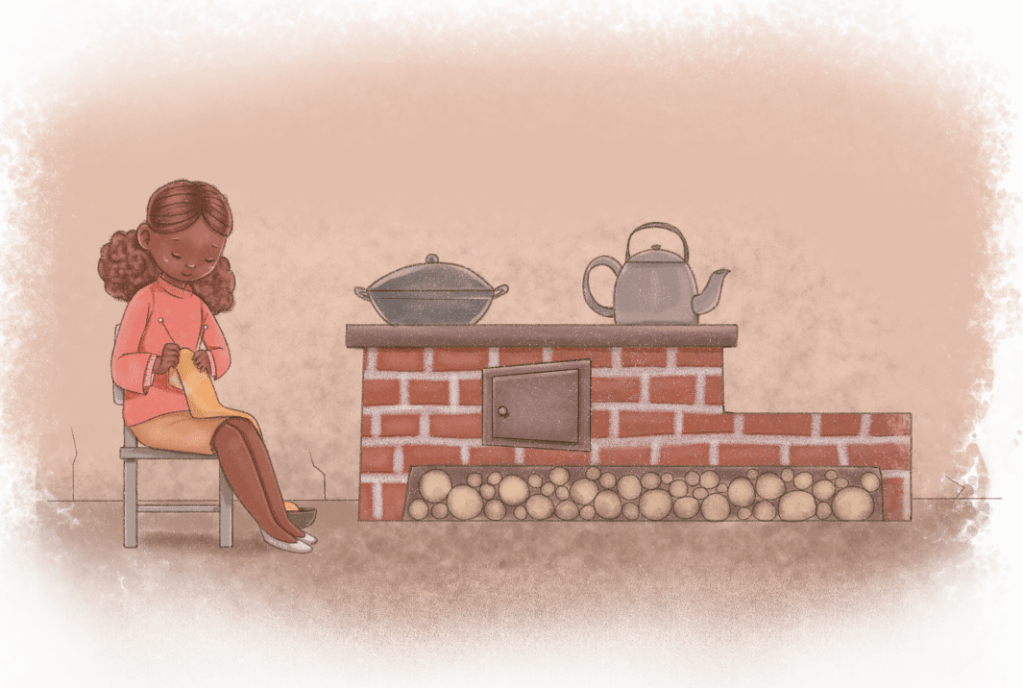
Lena’s district is inspired by a real place in Curitiba’s suburban area. The streets and houses are based on photos from the location.
I added many blank areas in the pages as breath spaces. I intended to portrait a light atmosphere, so the background is not over-detailed.
O bairro de Lena é inspirado em um lugar real na periferia de Curitiba. As ruas e casas são baseadas em fotos do local. Adicionei áreas em branco nas páginas para serem espaços respiráveis, minha intenção foi o de retratar uma atmosfera leve, portanto o cenário não poderia ser muito detalhado.
Social activities | Contrapartidas sociais
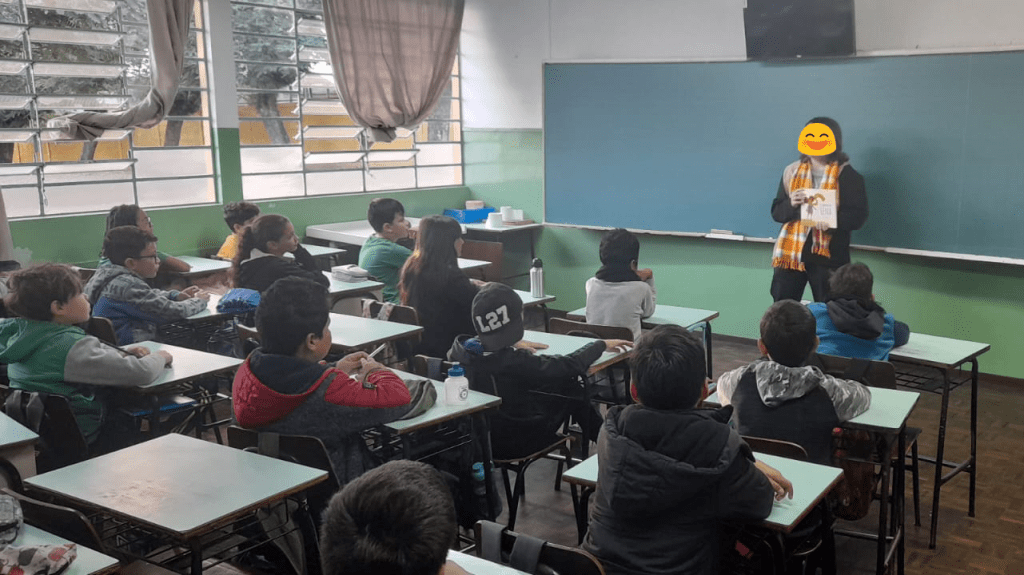
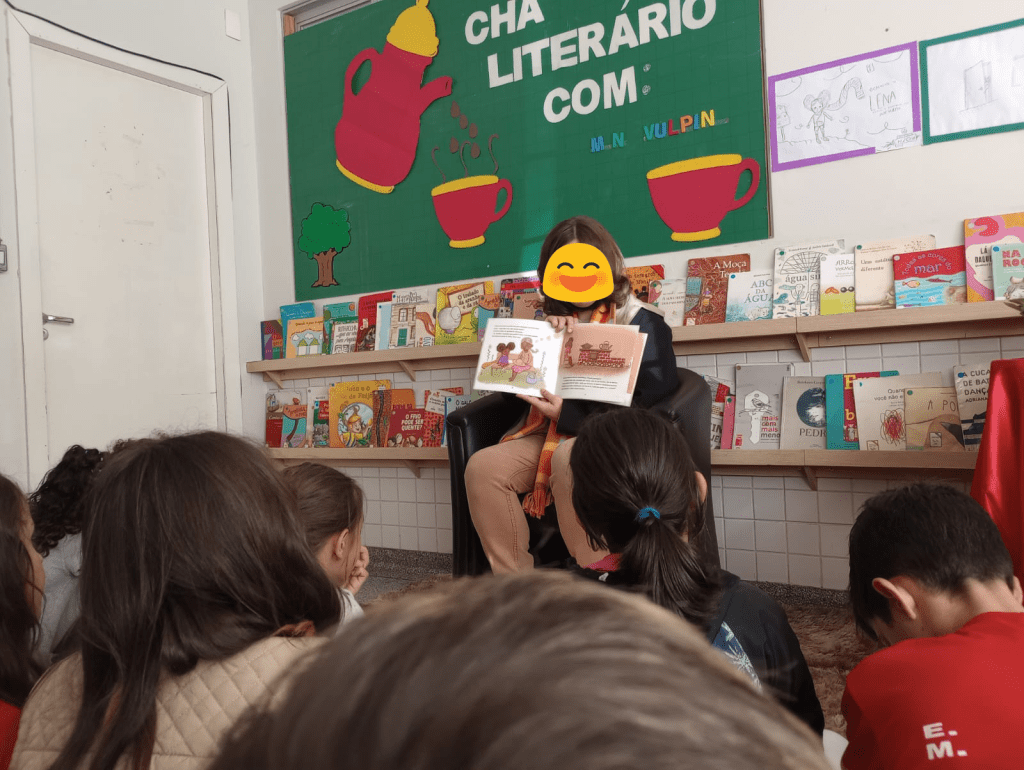
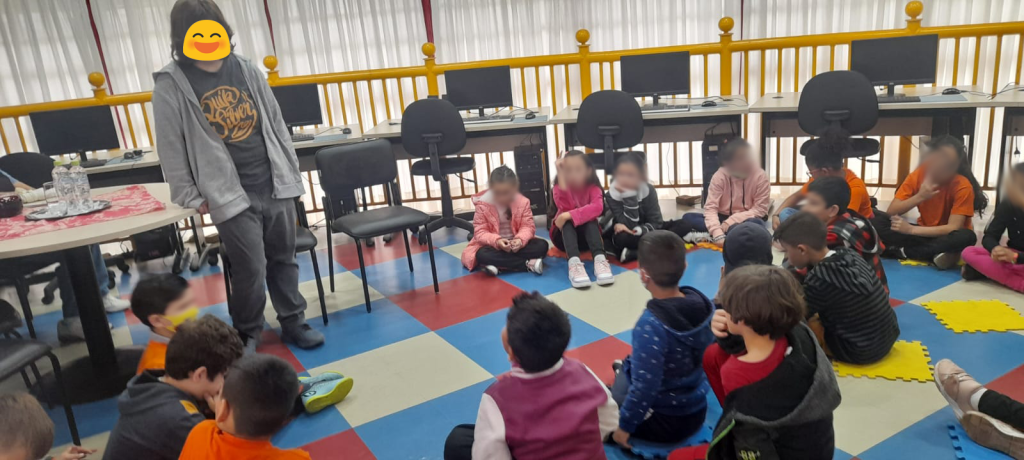
The project also involved visiting local schools to present the book and talk with children about it. 12 schools accepted the activity and students had this opportunity to chat with the author, talk about their impressions, and ask questions.
O projeto também envolveu visitas a escolas locais para apresentar o livro e conversar com as crianças sobre ele. 12 escolas aceitaram a atividade e os alunos tiveram a oportunidade de conversar com a autora, falar sobre suas impressões e tirar dúvidas.
Videos
The YouTube channel Histórias da Ailén was commissioned to read the book. This was also part of the social activities, and the video has a LIBRAS (Brazilian sign language) interpreter.
O canal do YouTube Histórias da Ailén foi contratado para fazer uma contação de história do livro, também uma contrapartida social. O vídeo ainda contou com um intérprete de LIBRAS.
The book was also featured in the educational program “A Hora do Conto” on Brazilian TV and received an exclusive song while a character was telling the story.
O livro também foi destaque no programa televisivo “A Hora do Conto”, na TV Escola Curitiba, onde houve uma contação de história acompanhada de uma composição musical exclusiva.
Final notes | Notas finais
Lena’s story is about memory and family heritage. I wanted to bring a positive and cozy sentiment to this book and make the reader think about the past – a good past, omitting potential traumas and disagreements. For the children, my activity suggestion at the end of the book was to talk with their families and ask about objects from their ancestors.
Illustrations were done digitally on Clip Studio Paint with a brush that imitates pencil and pastel. For the scarf, it was used a photo from a real scarf to make the texture pattern.
A história de Lena é sobre memória e herança familiar. Eu queria trazer um sentimento positivo e aconchegante para este livro e fazer o leitor pensar sobre o passado – um bom passado, omitindo potenciais traumas e desavenças. Para as crianças, minha sugestão de atividade no final do livro foi a de conversar com suas famílias e perguntar sobre objetos de seus ancestrais.
As ilustrações foram feitas digitalmente no programa Clip Studio Paint com um pincel que imita lápis e pastel. Para o cachecol, foi usada uma foto de um cachecol real para fazer a padronagem da textura.
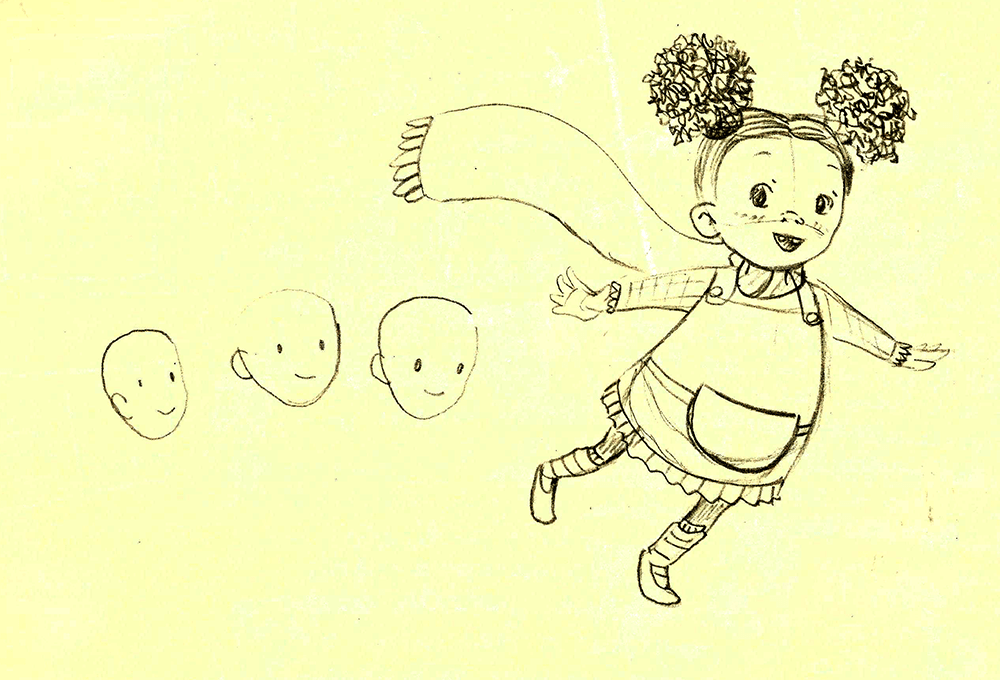
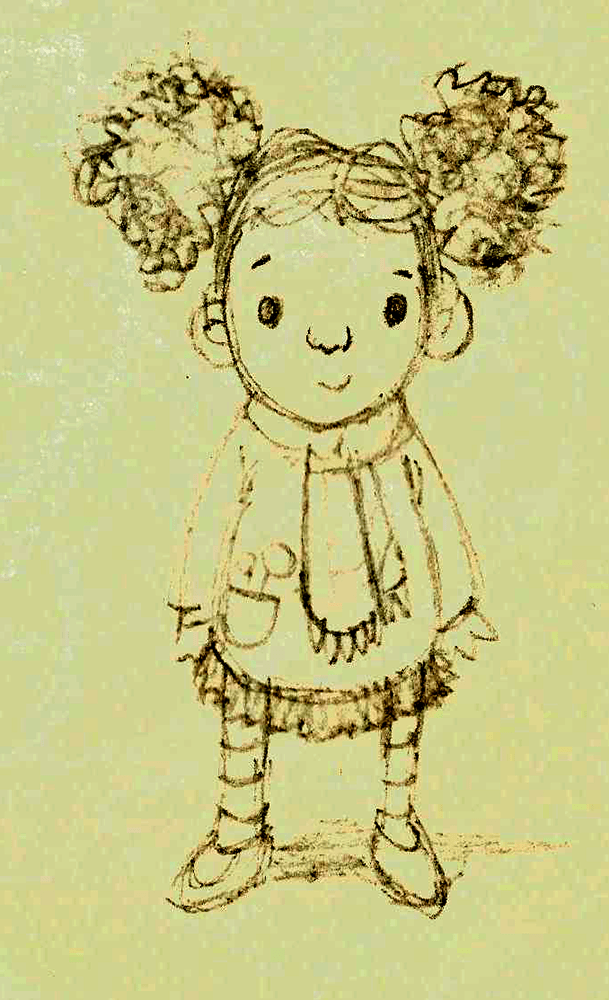
Sketches | Esboços
Year/Ano: 2021
Client | Cliente: personal project / projeto pessoal
 M. N. Vulpin